Zero-Click Realities: Rethinking Link Value When AI Answers the Query First
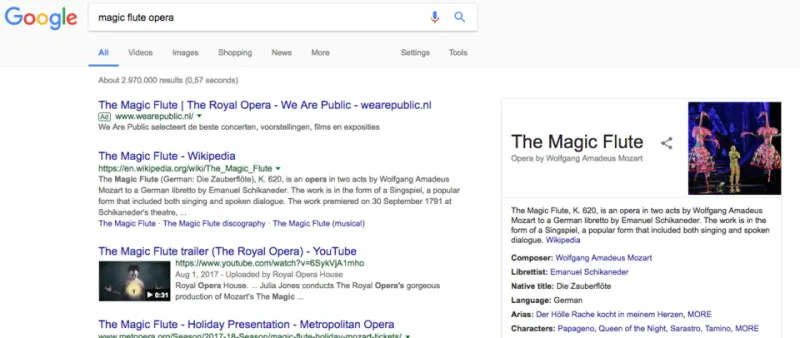
Photo: Mplungjan, CC BY-SA 4.0, via Wikimedia Commons
The math of the American search results page has changed. With AI Overviews now appearing on a substantial share of informational queries — and expanding steadily into commercial ones — a growing percentage of searches end without a click on any organic result. For link builders, this creates an uncomfortable question: if the linking page's traffic no longer flows to your site, what exactly are you buying?
The honest answer is that link value is bifurcating. Some links still deliver visitors. Others now deliver something less tangible but arguably more durable — participation in the corpus of sources that answer engines draw from when they compose responses. Treating these two functions as interchangeable is the mistake costing brands visibility right now.
The Two Functions of a Modern Backlink
The first function is familiar: referral traffic. A link on a high-traffic industry publication sends qualified readers to your site, where conversion tracking tells a clean story. This function is still intact for bottom-of-funnel content — comparison pages, pricing guides, tools — because AI summaries handle definitions and overviews poorly and users researching a purchase still click through.
The second function is newer: citability. AI Overviews and answer engines cite and synthesize from pages that demonstrate clear expertise, structured data, and authoritative inbound links. A backlink from a page that itself gets surfaced and cited in AI answers indirectly reinforces your brand's position in that ecosystem. You are no longer just earning a link; you are earning proximity to the sources machines trust.
Why Traditional Referral Metrics Are Breaking Down
Teams evaluating link placements by the linking page's estimated organic traffic are measuring a shrinking proxy. A resource page that ranked second for a head term in 2023 may now sit beneath an AI Overview that captures 60 percent of clicks. Its estimated traffic drops; its authority in Google's index does not. A traffic-first evaluation model would prematurely discard exactly the placements that matter most for answer-engine visibility.
The fix is a weighted evaluation: combine the linking page's traffic with its keyword rankings, its presence in AI Overview citations for relevant queries, and the semantic strength of its content. A page ranking third for a query now dominated by an AI Overview may still be a premium placement — the machines reading the results page weigh it accordingly.
The Emerging Playbook for US Brands
Several tactics are separating brands that adapt from those that don't:
Prioritize pages AI actually cites. Audit which publishers appear in AI Overviews for your money keywords. Links on those domains — and pages structured with clear headings, statistics, and quotable claims — feed the citation layer.
Build link-worthy assets that answer engines excerpt. Original survey data, state-of-industry reports, and definitive guides earn both traditional links and AI citations. A mid-2025 study of AI Overview sources found original research and statistical content overrepresented relative to generic listicles.
Protect branded search demand. As informational clicks decline, direct and branded channels carry more weight. Links on podcasts, newsletters, and industry communities — channels AI cannot fully intermediate — build demand that shows up in branded query volume.
Reframe KPIs. If your link program reports only referral sessions, it will look like it is failing even as it succeeds. Track share of AI Overview citations, branded search growth, and ranking stability for commercial terms alongside traffic.
The Strategic Bottom Line
Zero-click search does not make link building obsolete; it makes lazy link building obsolete. The placements worth pursuing are those that either still move humans or demonstrably move machines. The ones that do neither were never worth the invoice. Audit your pipeline against both tests, and the AI-era SERP becomes less a threat than a filter — one that clears out the noise and rewards the publishers and brands doing genuinely citable work.